I was blown away when I first tried feng shui furniture setups – tiny tweaks totally changed my room’s vibe. Google’s top searches show people want real feng shui furniture tips – how to stop bad energy and update old rules. As Cliff Tan shows on Instagram, feng shui furniture isn’t about strict rules – it’s making spaces feel naturally good.
Table of Content
1. Feng Shui Furniture Basics
Energy Flow Essentials
First step in feng shui furniture? Figure out how energy flows. Expert Lilian Too taught me – don’t let couches block walkways, that’s like building energy dams. Just tilting my bookshelf away from the door made my NYC apartment feel way more open.
Energy moves differently in each room. Bedrooms want chill energy, but dining rooms need lively vibes around the table. Architect Tan says think of energy like water – furniture should help it move, not block it.
Five Elements Balance
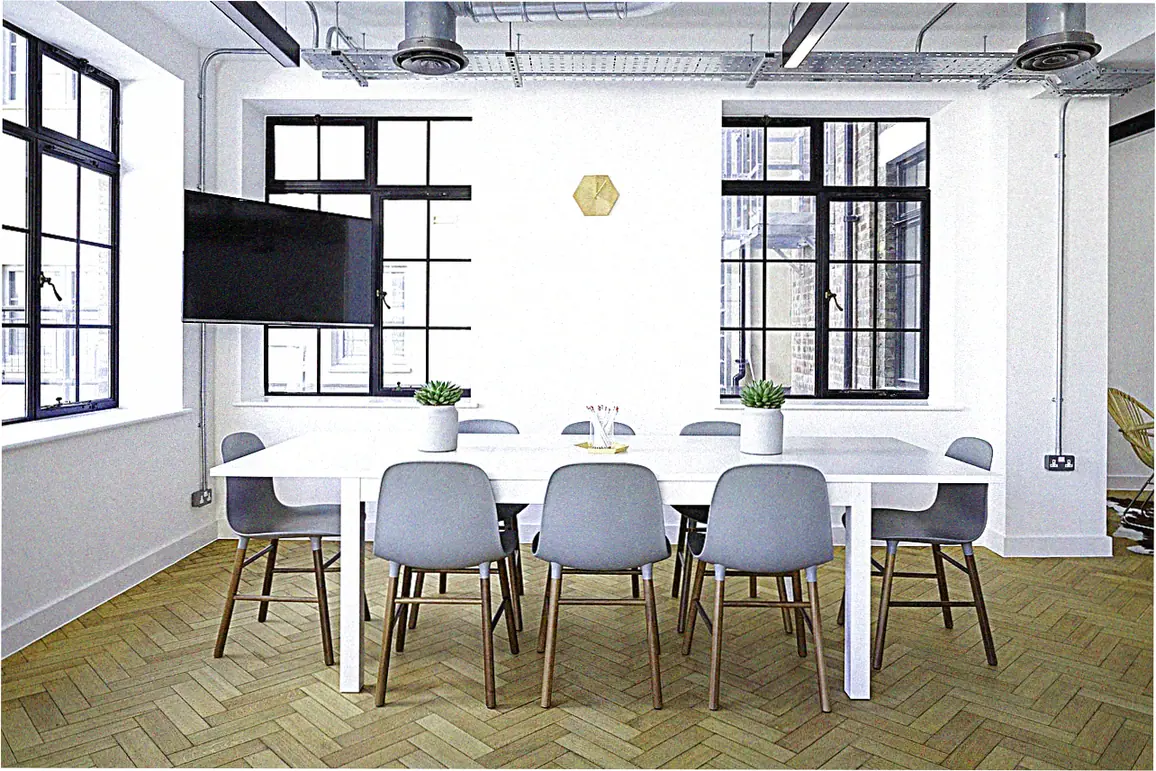
My big feng shui oops? Packing my office with too much wood furniture. Expert Kartar Diamond showed me too much wood makes energy get stuck. We fixed it by adding metal files and a red chair to mix things up.
The five elements show up in how furniture looks and feels. Wavy shapes mean water, pointy ones bring fire energy. My sharp sofa gets a round metal table nearby to keep things balanced.
Command Position Principles
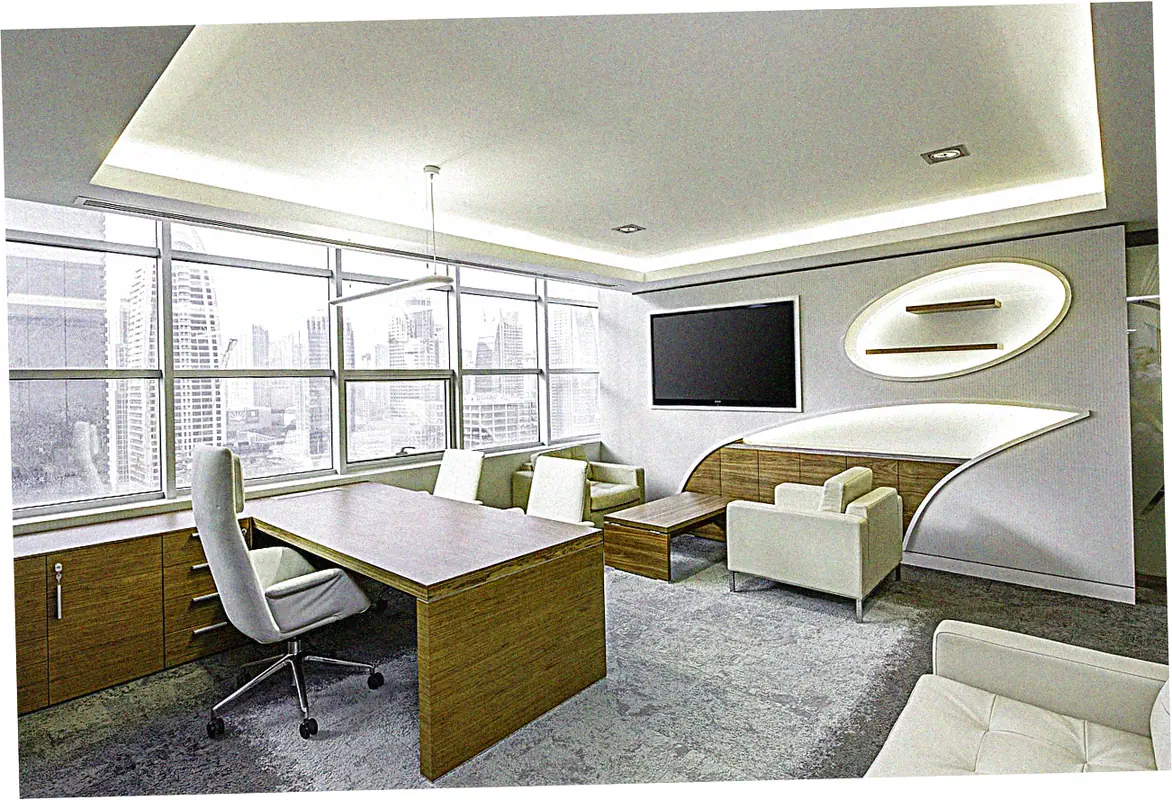
Game changer for my office? Learning about command position. Main furniture should see the door but not line up with it. After angling my desk toward the door, I suddenly got twice as much work.
Gotta get creative with tricky spaces. My tiny kitchen got a mirror backsplash to fake that command position look. Little changes make a big difference.
2. Living Room Feng Shui
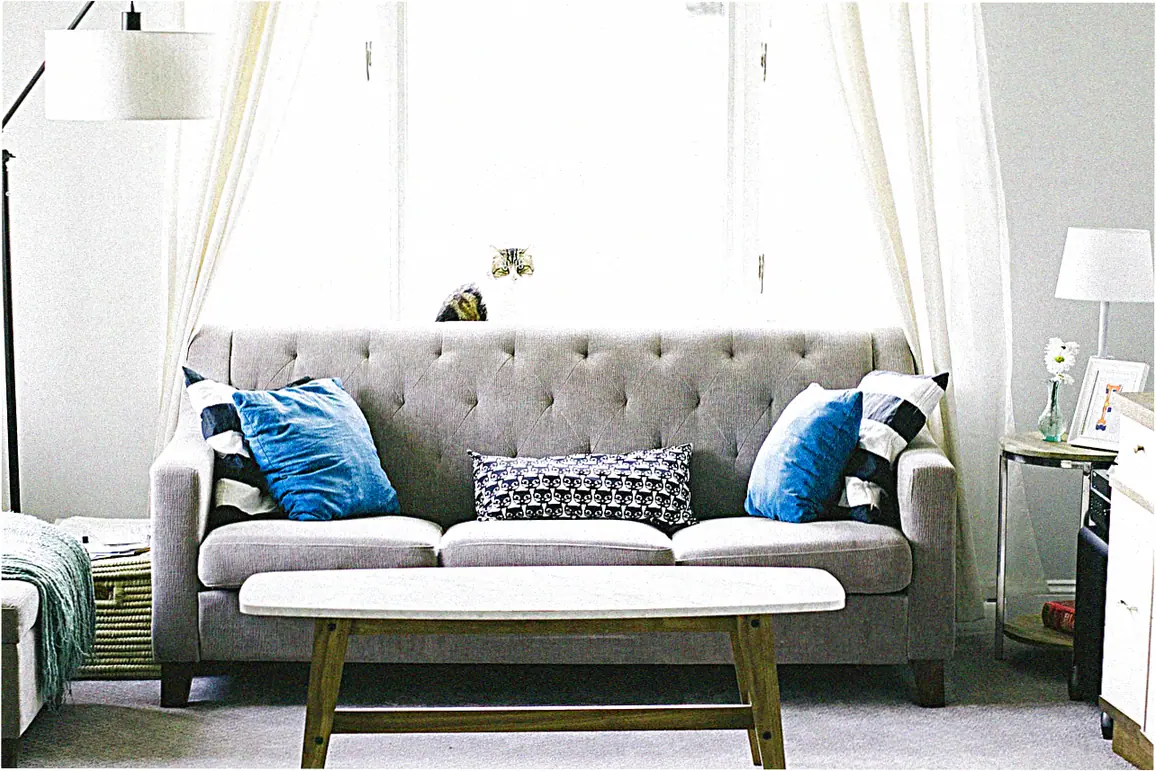
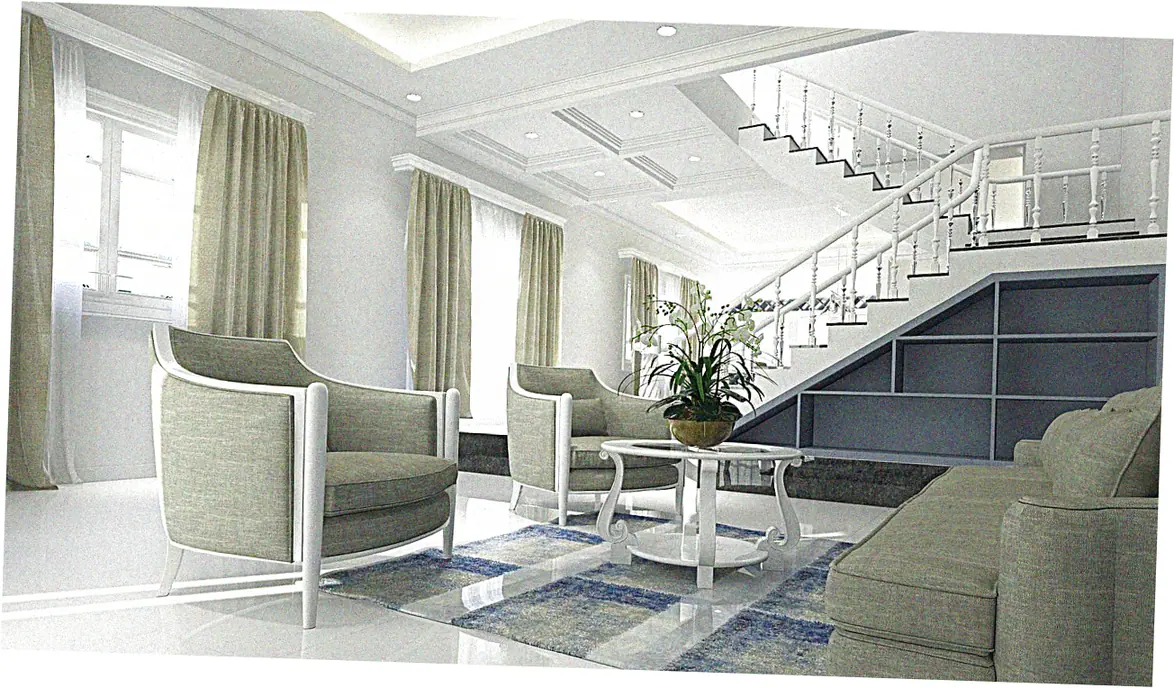
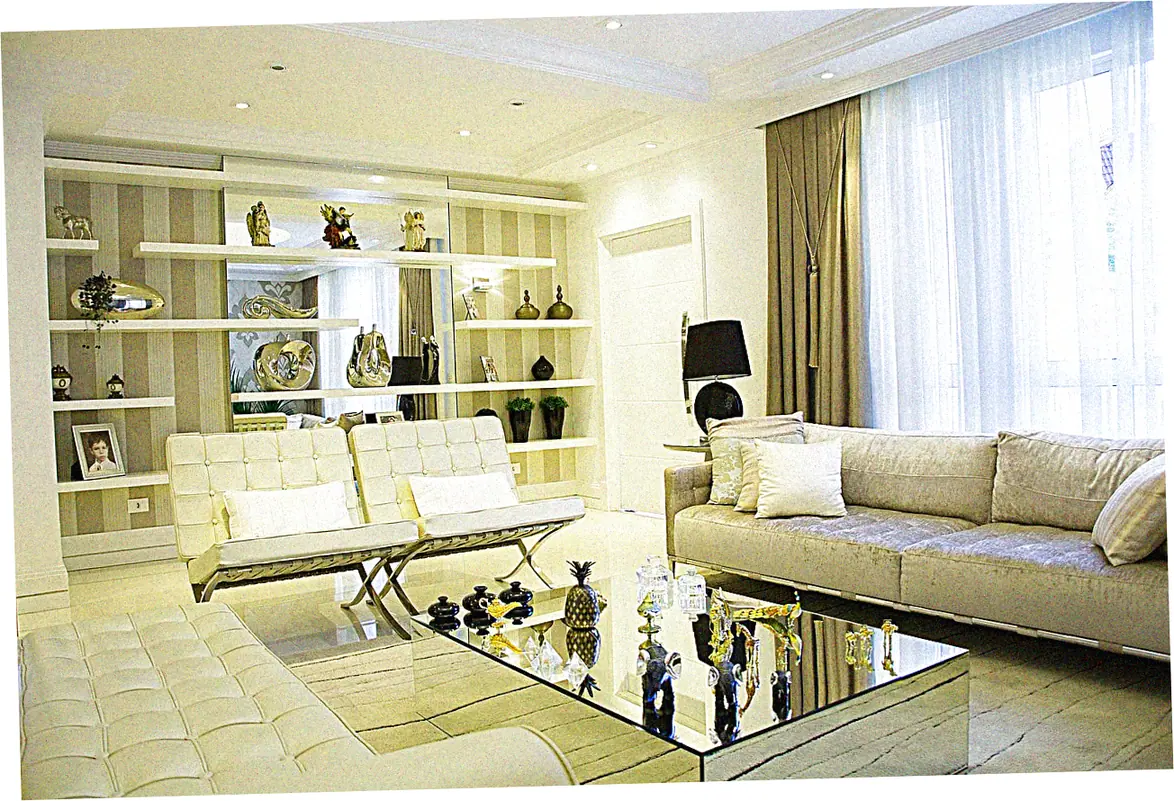
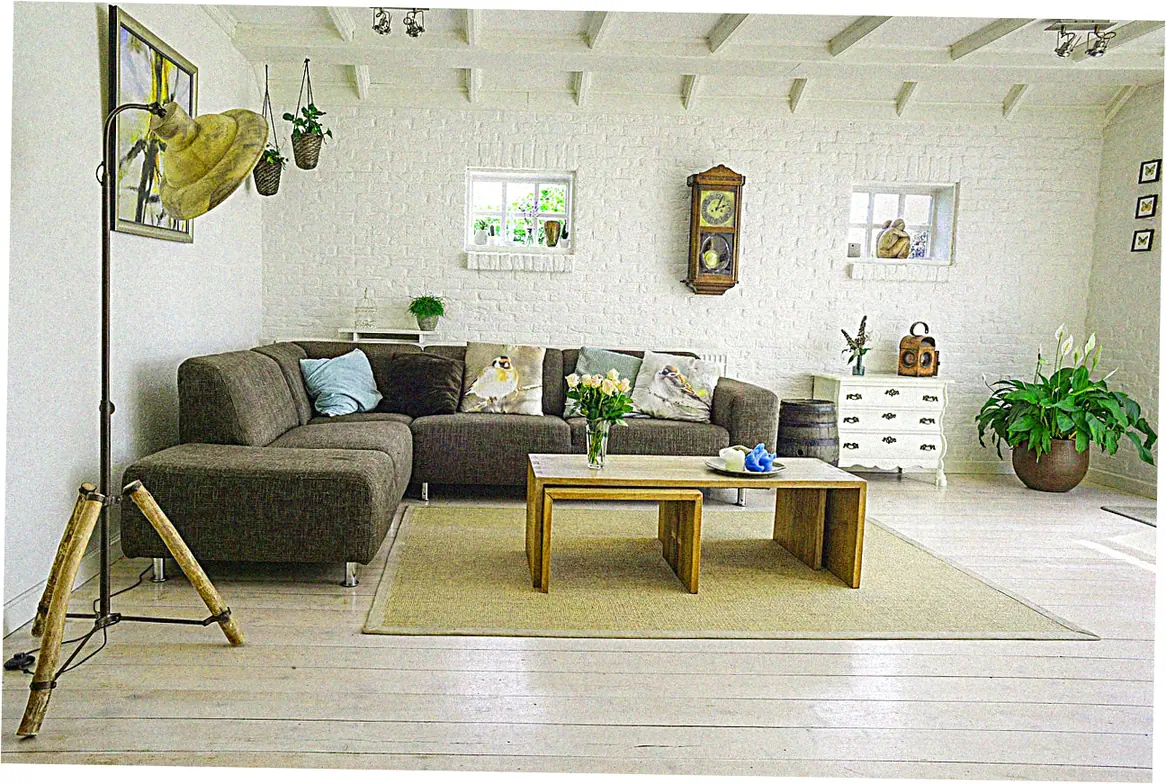
Sofa Placement Secrets: Took me three tries to nail the feng shui spot for my L-shaped couch. Now it makes a cozy U-shape near the west wall – energy flows but still feels welcoming. Some Reddit guru says keep 18-24 inches behind couches for good energy.
Skip the coffin setup – couches straight across from chairs with a table in the middle. That just makes bad vibes. Better to angle furniture for chill but lively chats.
Coffee Table Energy: My glass coffee table was sucking energy – turns out it scatters chi all over. Swapped it for a wooden oval table and boom – calm vibes. Expert Anjie Cho says round tables help energy move right.
Size counts too. Keep tables just below couch height – like 1-2 inches – for good energy flow. I threw a blue cloth under mine for some water element action.
Electronics Placement: Nowadays feng shui’s gotta deal with gadgets. My TV facing the couch made what expert Kennedy calls an energy fight. Fixed it with a swing-arm mount that hides when off.
Messy wires wreck your chi – keep em tidy. Bamboo cord wraps match my style and keep energy moving. My router gets a wood stand to boost its vibes.
3. Bedroom Harmony
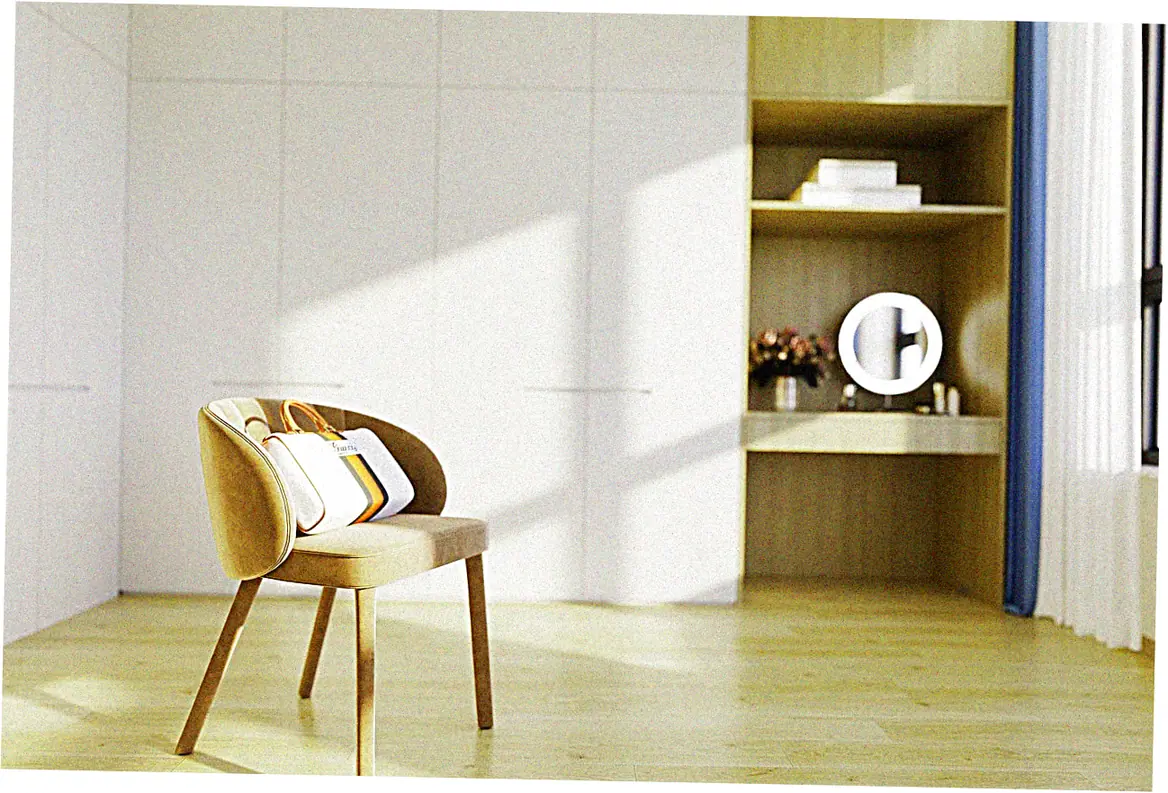
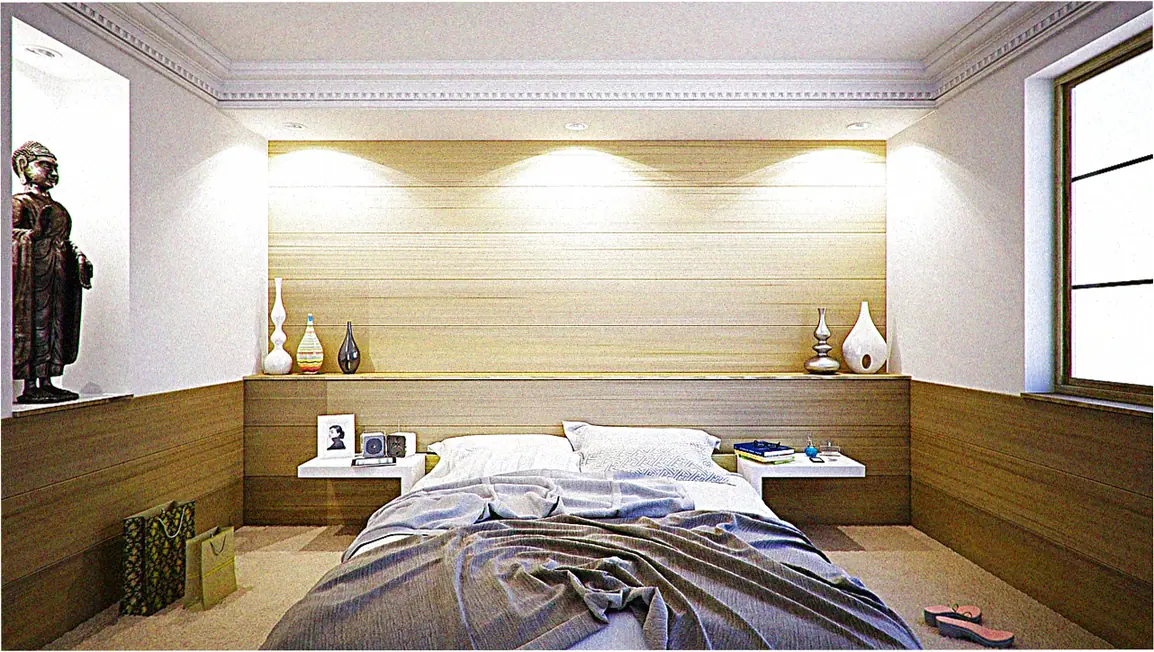
Bed Positioning Rules: Fixed my bad sleep by moving my bed the feng shui way. Now it’s angled from the door with a good headboard – I wake up feeling great. Expert Tchi says no beds facing doors or under windows – that’s coffin position.
If you’re stuck, try a crystal or divider between bed and door. My cool Japanese screen does the job and looks awesome.
Nightstand Balance: Different nightstands messed with my relationship vibes. Feng shui says matching nightstands keep couples chill. Got matching wood tables – same but different with our own lamps.
Nightstands should be clean – mine just have a lamp, plant, and hidden charger. Expert Peters says round edges calm down pointy bedroom vibes.
Mirror Placement: My mirror showed the bed – feng shui says that doubles bad sleep energy. Putting it on the closet door fixed the flow. Expert Olmstead says no mirrors showing beds or sleep spots.
If you need mirrors, make them show nice art or views. Now my mirror catches sun on a painting – great way to wake up.
4. Dining Room Flow
Table Shape Energy: Dinners got easier when I swapped my rectangle table for a round one. Master Lin Yun says round tables make people connect better. Oval tables work almost as well in tight spots.
Granny’s eight-sided table was perfect – means money in feng shui and fits more people. Just don’t let pointy ends aim at chairs.
Chair Arrangement Tips: Odd chair counts work better than even for dining vibes. I do five chairs (for earth energy) with one always out – calls in good stuff. Expert Post says empty chairs facing doors suck away money vibes.
Chair backs need good support but not too tall. My retro chairs have nice curves – comfy but no energy blocks. Red or orange cushions get people talking at dinner.
Buffet Placement: My buffet was on the west wall – feng shui maps say that blocks money. Put it in the southeast money spot with a mirror above – now parties pop.
Clear off the buffet when you’re not using it. I keep fruit and candles out to keep energy moving. Expert Harris says no junk storage underneath.
5. Home Office Arrangement
Desk Command Position: My work got way better after feng shui-ing my office. My L-desk guards me while seeing the door and window. Expert Tan says don’t point screens at doors – bad energy mix.
If you must face away, try a mirror or crystal to see behind you. My fancy bubble mirror shows the door but looks like decor.
Bookshelf Energy: Packed bookshelves mess with your head. I keep shelves 30% empty now – better energy. Expert Diamond says color-sorted books look happier – my rainbow shelf makes me smile.
Put heavy stuff low to steady the vibe. Near desks, keep pretty things – my rocks and plants help me think.
Technology Solutions: Gadgets make feng shui furniture tricky. My wood laptop stand with a selenite plate cuts bad tech vibes. Expert Linn says cover router cords with cloth to chill them out.
My printer gets a silk scarf when off – looks nicer and calms its energy. My charger sits on stone to steady its buzz.
6. Entryway Vitality
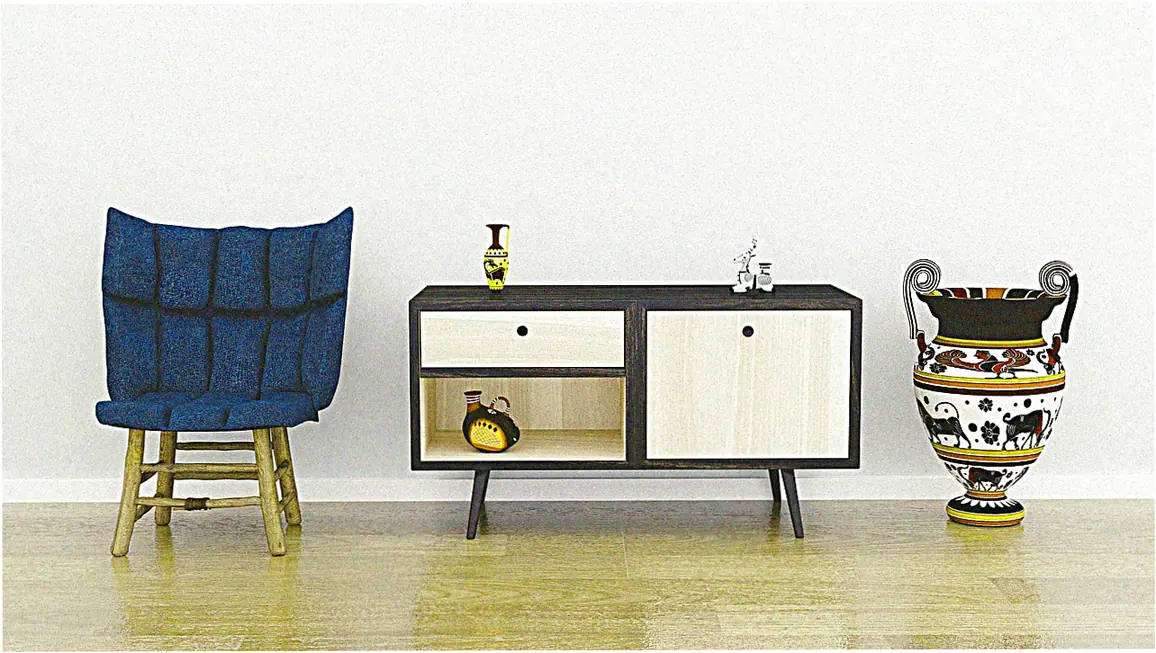
Console Table Placement: My foyer felt lifeless until I added a demi-lune console table at the power position – left wall when entering. Consultant Laura Cerrano recommends this placement to receive positive energy. The curved shape prevents sharp energy corners in tight spaces.
Keep surfaces minimally decorated – I use a small bowl for keys and single piece of art above. Mirror placement here should reflect beautiful views, not the front door (which bounces energy back out). My oval mirror captures sunlight from the living room windows.
Shoe Storage Solutions: Cluttered entryways block new opportunities according to feng shui. My wall-mounted shoe cabinet keeps footwear organized while allowing 18 inches clearance below for energy flow. Consultant Patricia Lohan suggests wood or fabric storage rather than metal for warmer energy.
If space allows, a small bench with storage underneath provides seating while concealing shoes. Mine has woven baskets that allow ventilation (preventing stagnant energy) while keeping clutter hidden.
Lighting Importance: Dim entryways symbolize missed opportunities. I replaced my single overhead light with a beautiful pendant plus wall sconces for layered illumination. Consultant Jon Sandifer recommends lighting that’s bright but not harsh – my 2700K bulbs create welcoming warmth.
A small lamp on the console table adds another energy layer. I chose one with a red base (fire element) to activate the space. During daylight hours, keeping the entryway curtain partially open maintains yang energy flow.
7. Small Space Solutions
Multifunctional Furniture: My studio apartment demanded creative feng shui furniture solutions. The game-changer was a storage ottoman that serves as coffee table, extra seating, and blanket storage. Consultant Amanda Gibby Peters recommends pieces with rounded edges and hidden storage to maximize small spaces.
My fold-down desk disappears when not in use, preventing work energy from dominating my living space. The key is maintaining clear pathways – even in 400 square feet, energy needs room to circulate.
Room Divider Magic: Instead of a bookshelf dividing my sleeping and living areas (which created energy blockages), I installed a beautiful wooden screen with cutout patterns. Consultant Eric Shaffert suggests permeable dividers that allow light and air flow while defining spaces.
Sheer curtains work well too – mine separate the bed area while maintaining an open feel. The fabric’s gentle movement actually enhances chi circulation according to feng shui principles.
Vertical Energy Flow: When floor space is limited, think vertically. My wall-mounted shelves and hanging plants draw energy upward, preventing stagnation. Consultant Kartar Diamond recommends placing important items at eye level or above to give them proper energetic weight.
Even artwork placement matters – a single large piece above my sofa anchors the space better than several small ones. The key is maintaining balance – too many high placements can create floating energy.
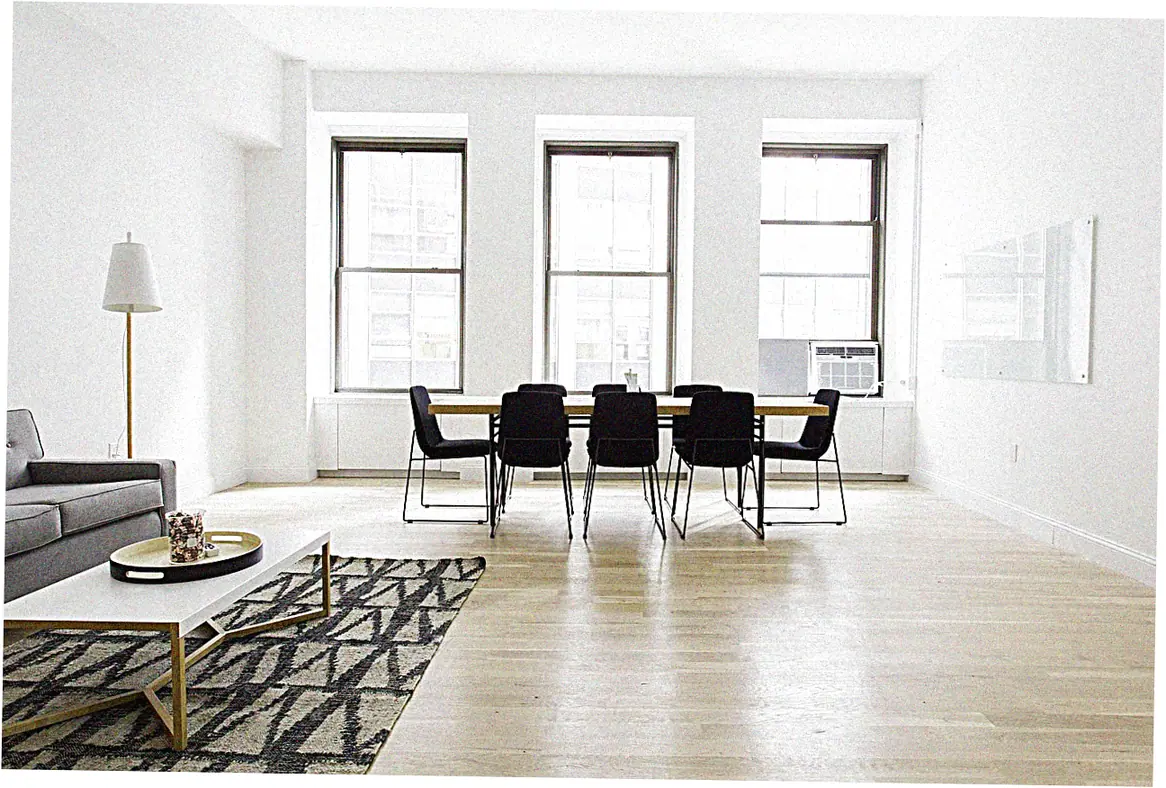
8. Color and Texture
Fabric Choices: My scratchy wool throw was subtly creating agitation until I replaced it with a soft bamboo blend. Consultant Anjie Cho teaches that textiles significantly impact energy – natural fibers generally promote better chi flow than synthetics.
Mix textures thoughtfully – my velvet pillows (water element) balance a linen sofa (earth). Avoid too many nubby or rough textures in relaxation areas. Even curtain material affects energy – my silk drapes soften incoming light beautifully.
Wood Finishes: All my dark wood furniture created heavy energy until I lightened up with whitewashed pieces. Consultant David Daniel Kennedy recommends varying wood tones to prevent monotony – my mix of oak, walnut, and bamboo creates dynamic yet harmonious energy.
Pay attention to grain patterns too. Vertical grains promote upward energy movement (great for bookshelves), while horizontal grains create stability (ideal for bed frames). My new headboard’s wavy grain pattern adds gentle water energy.
Metal Accents: Too much metal left my living room feeling cold. I balanced it with warm wood and fabric elements, keeping only strategic metal accents. Consultant Marie Diamond suggests using metal in northwest (helpful people) and west (creativity) bagua areas.
My brass picture frames and stainless steel lamp bases now feel intentional rather than overwhelming. Even small metallic details like drawer pulls should be chosen consciously – I opted for matte black instead of shiny chrome in my bedroom.
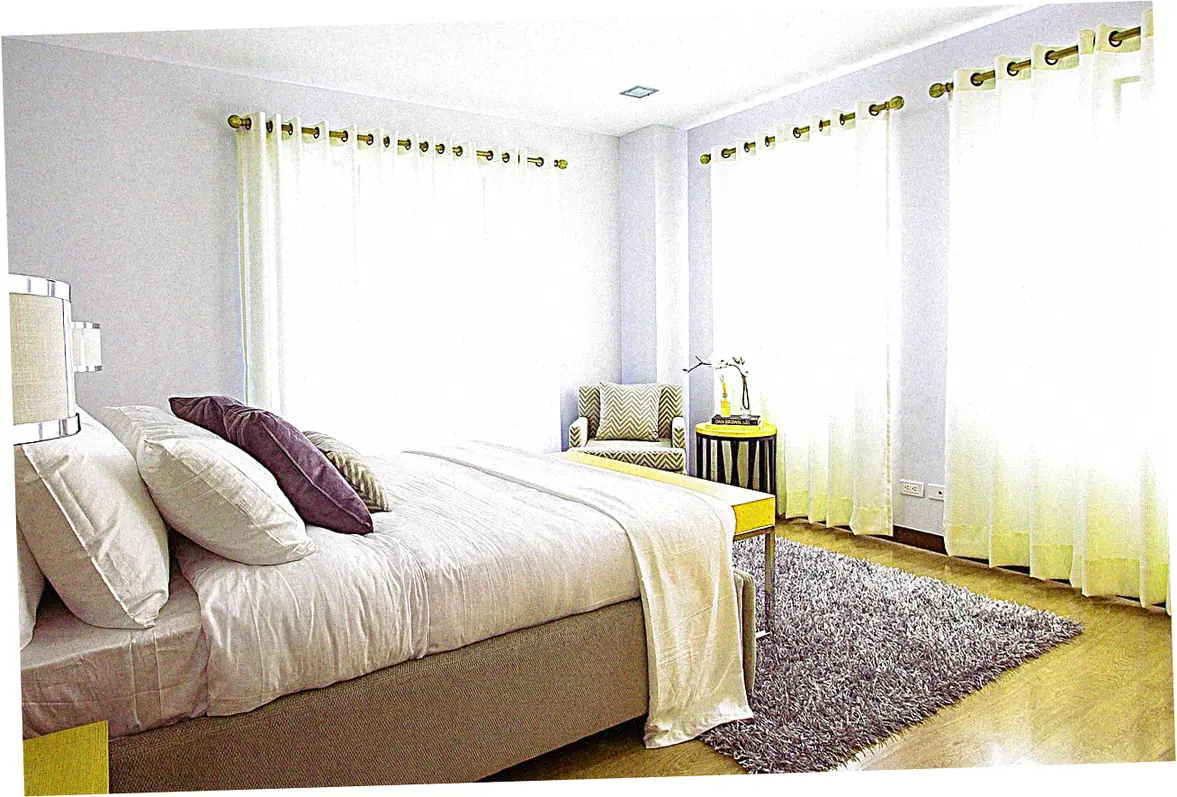
9. Seasonal Adjustments
Summer Energy Shifts: When summer heat arrived, my dark leather sofa felt oppressive. Switching to light linen slipcovers and adding glass-top side tables created cooling energy. Consultant Steven Post recommends introducing more blue and green hues during warm months.
I rotate accessories seasonally – seashell bowls in summer, wool throws in winter. This simple practice keeps energy fresh without major furniture changes. Even changing artwork can shift seasonal energy – my vibrant beach scene replaces a snowy landscape come June.
Winter Warmth Tips: My space felt energetically cold last winter until I applied feng shui furniture adjustments. Placing a red rug under the coffee table activated fire energy, while velvet pillows added warmth. Consultant Carol Olmstead suggests grouping furniture closer in winter to contain heat energy.
Candle placement becomes crucial – I arrange them in metal holders (to control fire element) on south-facing surfaces. Even swapping cool LED bulbs for warmer tones makes a noticeable difference in winter energy.
Transitional Periods: Spring and autumn demand special feng shui furniture attention. During these transitional seasons, I focus on thorough cleaning and energy clearing. Consultant Denise Linn recommends moving at least three pieces of furniture during seasonal shifts to prevent energy stagnation.
This is when I assess what’s working – last spring I realized my armchair had been in an awkward position for months. Seasonal transitions offer perfect opportunities for subtle but powerful adjustments.
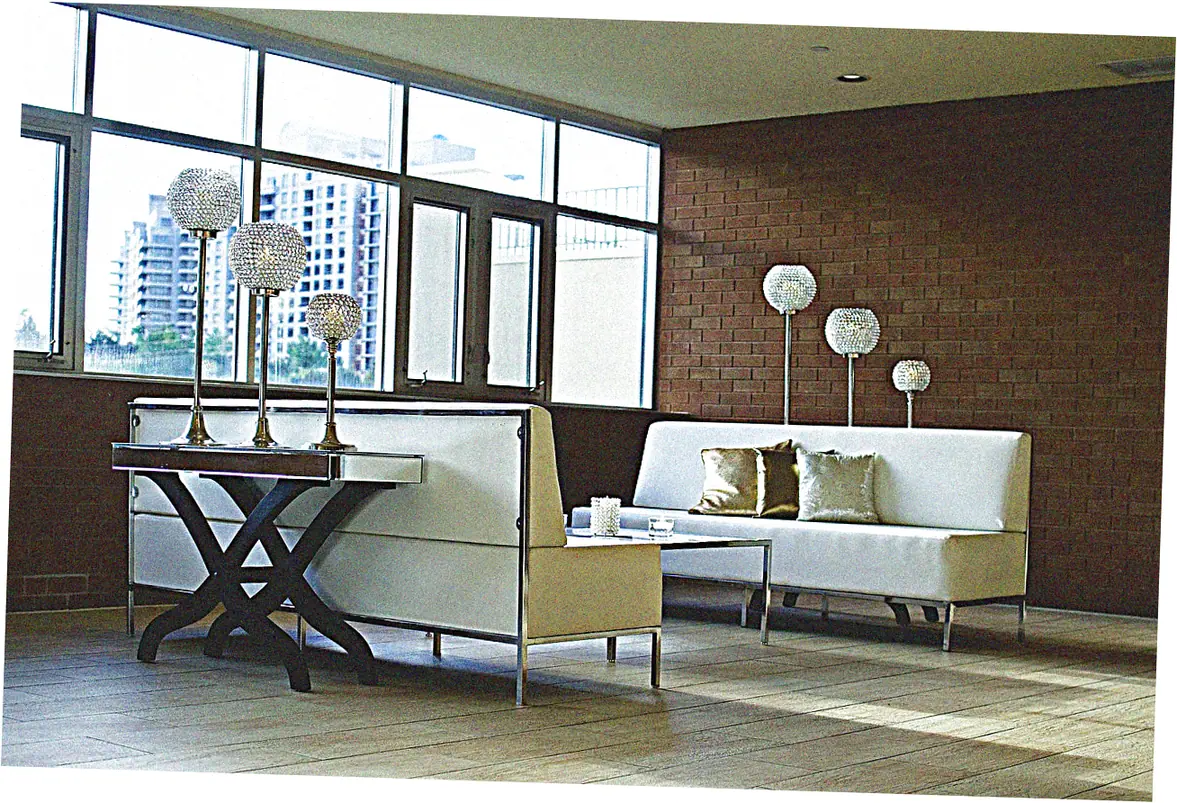
10. Common Mistakes
Furniture Against Walls: I used to push everything against walls, creating what consultant Laura Cerrano calls energy deserts in room centers. Now I float key pieces to allow circulation – my sofa sits 5 inches from the wall with a narrow console behind it.
The exception is beds and desks, which benefit from solid wall support. Even then, leaving some breathing space prevents stagnant energy. My bed now has 3 inches clearance on each side for optimal flow.
Sharp Corners: Pointy furniture corners create poison arrows in feng shui. I rounded mine with strategically placed plants or decorative objects. Consultant Patricia Lohan suggests using corner tables or draping fabric to soften edges when replacement isn’t possible.
Pay special attention to corners pointing at seating or beds. My problematic bookshelf corner now hosts a trailing pothos plant that beautifully diffuses the harsh angle.
Cluttered Pathways: Obstructed walkways were my biggest feng shui furniture fail. Consultant Jon Sandifer recommends maintaining clear primary pathways at least 3 feet wide. I mapped my apartment’s natural traffic flow and rearranged accordingly.
Even decorative items can create subtle blockages. My formerly crowded gallery wall was subconsciously making me avoid that hallway. Spacing the pieces out created better energy movement and actually made the art more noticeable.
Implementing these feng shui furniture principles transformed my home from aesthetically pleasing to energetically nurturing. Start with one high-impact change – perhaps your bed or desk position – and observe the subtle shifts.
Remember that feng shui is personal; what works for my Brooklyn apartment may differ from your space. The key is developing sensitivity to how arrangements make you feel. For deeper exploration, consult works by feng shui masters Lin Yun and Sarah Rossbach, or follow contemporary practitioners like Cliff Tan who adapt ancient wisdom for modern living.